Determine the Application Requirements:
Evaluate the specific requirements of your application, such as load capacity, stroke length, operating pressure, and environmental conditions.
Consider the type of movement required, whether it's single-acting, double-acting, or telescopic.
Assess Cylinder Size and Mounting:
Measure the available space for the cylinder installation, considering both the length and diameter of the cylinder.
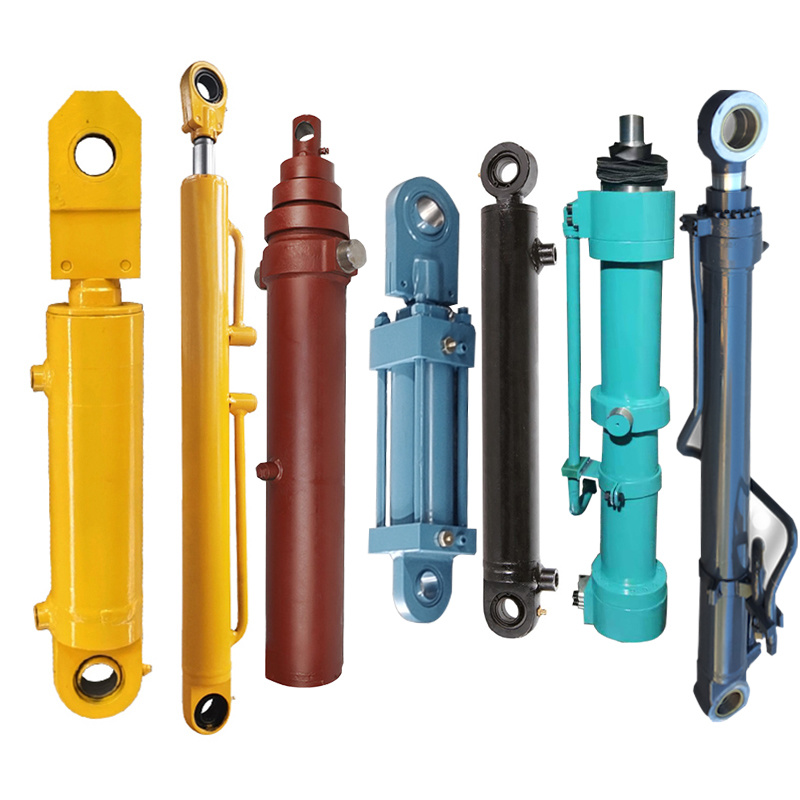
Determine the mounting style required, such as clevis, flange, or trunnion mount, based on your application's needs.
Select Suitable Cylinder Type:
Choose between welded, tie-rod, or mill-type cylinders, depending on factors like load capacity, application complexity, and maintenance requirements.
Consider the cylinder's intended use (e.g., construction equipment, agricultural machinery, industrial applications) to select the most appropriate type.
Determine Cylinder Material:
Select the cylinder material based on the operating environment and conditions, considering factors such as corrosion resistance, strength, and durability.
Common materials include steel, stainless steel, and aluminum, each with its own advantages and considerations.
Check Sealing and Cushioning Options:
Evaluate the sealing system of the cylinder, ensuring it can withstand the operating pressure and maintain proper sealing over time.
Consider the availability of cushioning options, such as adjustable cushions or pneumatic cushions, to control cylinder deceleration and prevent impact damage.
Consider Manufacturer Reputation and Support:
Research reputable hydraulic cylinder manufacturers known for their quality products and reliable customer support.
Check for certifications, industry experience, and customer reviews to gauge the manufacturer's reputation.
Compare Pricing and Warranty:
Obtain quotes from different suppliers and compare pricing, taking into account factors like quality, features, and additional services.
Review the warranty offered by the manufacturer to ensure adequate coverage for the hydraulic cylinder.
Conclusion:
Selecting the right hydraulic cylinder is crucial for achieving optimal performance and longevity in hydraulic systems. By considering the application requirements, cylinder size and mounting, type of cylinder, material selection, sealing options, manufacturer reputation, and pricing, you can make an informed decision. Remember to consult with experts or seek professional advice when needed to ensure the best choice for your specific hydraulic system needs.
To learn more about hydraulic products, please click on Hydraulic Hose and Hydraulic Fittings.