
Hydraulic hoses play a critical role in transmitting hydraulic energy within hydraulic systems, and their selection directly impacts system safety and efficiency. When choosing a hydraulic hose, several factors need to be considered, including operating pressure, temperature, fluid properties, and environmental conditions. This guide will provide you with comprehensive advice on selecting the appropriate hydraulic hose based on your specific needs.
1. Working Pressure
(1) Determining System Pressure
The first step is to understand the operating pressure range of the hydraulic system, including potential peak pressures. You can determine this by checking the rated pressure of the hydraulic pump and the set pressure of the relief valve. For example, in the hydraulic system of a forklift, the system pressure during lifting may reach around 14MPa, so a hydraulic hose with a rated pressure higher than this value should be chosen. It is generally recommended to select a hose with a rated pressure 30%-50% higher than the system’s maximum pressure to handle pressure fluctuations and surges.
(2) Considering Pressure Fluctuations and Pulsations
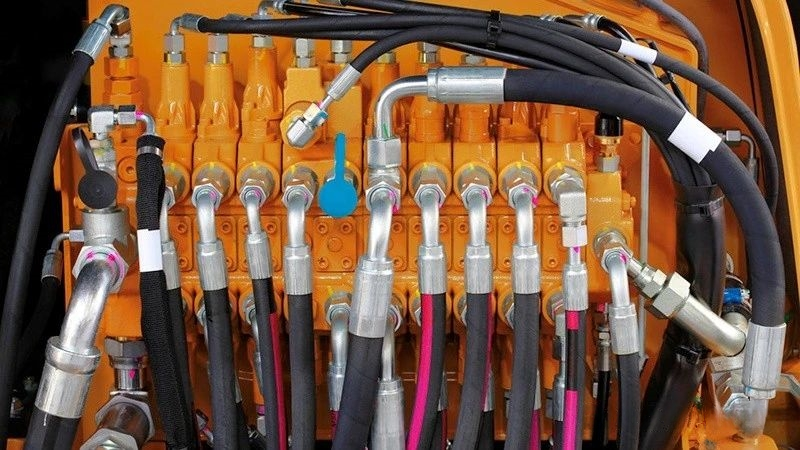
Pressure fluctuations are common in hydraulic systems. If the hose has poor pressure resistance, it may be damaged due to frequent pressure changes. For systems with significant pressure fluctuations, hoses with good pulse resistance should be selected. Hoses with special reinforcement layers, such as multi-layer steel wire braiding or winding, can better withstand pressure pulsations.
2. Flow Requirements
(1) Calculating Hose Inner Diameter
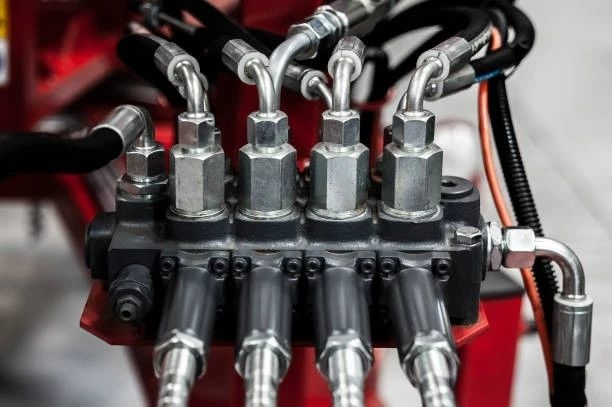
To calculate the inner diameter of the hose, you need to consider the flow rate required by the hydraulic system and the allowable flow speed in the hose. Typically, the recommended flow speed of the hydraulic fluid within the hose should be between 3-6 m/s.
(2) Considering Flow Range
If the hydraulic system's flow varies, ensure that the selected hose can function properly throughout the entire flow range. A hose with too small an inner diameter may result in high flow speeds and significant pressure loss and heat generation when the flow increases. Conversely, a hose with too large an inner diameter may cause fluid vortexing at low flow, also increasing pressure loss.
3. Hose Size
(1) Determining Length
Accurately measure the distance between the two components to be connected in the hydraulic system to determine the hose length. When measuring, consider the installation path and leave enough room for bending to avoid overstretching or compressing the hose after installation. For example, if the straight-line distance between the connection points is 1m, but the hose needs to navigate around obstacles and have a certain bend radius, you might need to choose a hose length of 1.2-1.3m.
(2) Minimum Bend Radius Limit
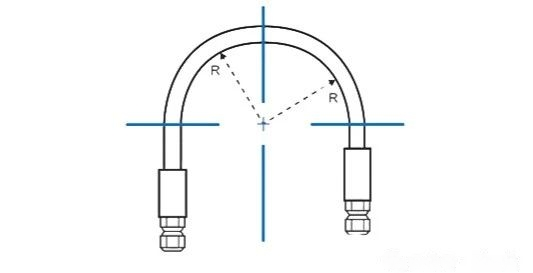
Each type of hydraulic hose has a corresponding minimum bend radius. During installation and use, the hose’s bend radius should not be smaller than the specified minimum value, as this could damage the reinforcement layer and reduce the hose's pressure resistance. In general, the larger the inner diameter of the hose, the larger the minimum bend radius. For example, a hose with a 10mm inner diameter might have a minimum bend radius of 130mm, while a hose with a 25mm inner diameter might have a minimum bend radius of 300mm.
4. Working Environment
(1) Temperature Range
Consider the temperature range in which the hydraulic system will operate. If the system operates in high-temperature environments, select a hydraulic hose that can withstand high temperatures. These hoses are typically made of special rubber materials, such as fluororubber, which have excellent high-temperature resistance. In contrast, if the system operates in low-temperature environments, such as outdoor construction machinery in northern winter, choose hoses that maintain good flexibility in cold temperatures to avoid cracking due to stiffness. Some synthetic rubber hoses perform well in low temperatures.
(2) Exposure to Chemicals
If the hydraulic hose is likely to come into contact with chemicals, ensure that the hose’s outer rubber and reinforcement materials are resistant to corrosion by these substances. For example, in the chemical industry, hydraulic hoses may be exposed to acids, alkalis, and organic solvents. For such applications, select hoses made of materials that offer excellent chemical resistance.
(3) Mechanical Protection Requirements
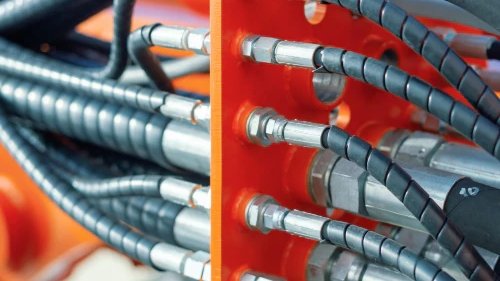
If the hose works in environments where it is prone to mechanical damage, such as mining or construction sites, consider adding extra protection. Metal or rubber protective sleeves can be used to wrap the hose and prevent damage from sharp objects or compression by heavy loads.
5. Compatibility with Other Components
(1) Matching Connection Methods
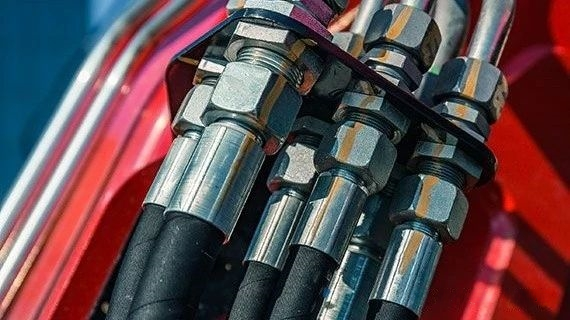
The connection method at the hose's ends must match the interfaces of other hydraulic components, such as pumps, cylinders, and valves in the system. For instance, if the hydraulic pump and cylinder in the system use a certain type of connector, you must select a hose that matches this connector type.
(2) Material Compatibility
Ensure that the hose material is compatible with the hydraulic fluid and other components in the system. For instance, some special hydraulic oils may cause rubber materials to swell or react chemically, affecting hose performance. Additionally, the hose should not cause galvanic corrosion when in prolonged contact with other components.
Conclusion:
When selecting a hydraulic hose, it is crucial to verify key parameters such as inner diameter, working pressure, length, temperature range, fluid type, connector specifications, and minimum bend radius. Based on the actual operating environment, such as high/low-temperature resistance or fire resistance, choose hoses that are fully compatible with the hydraulic system to ensure safety and reliability.