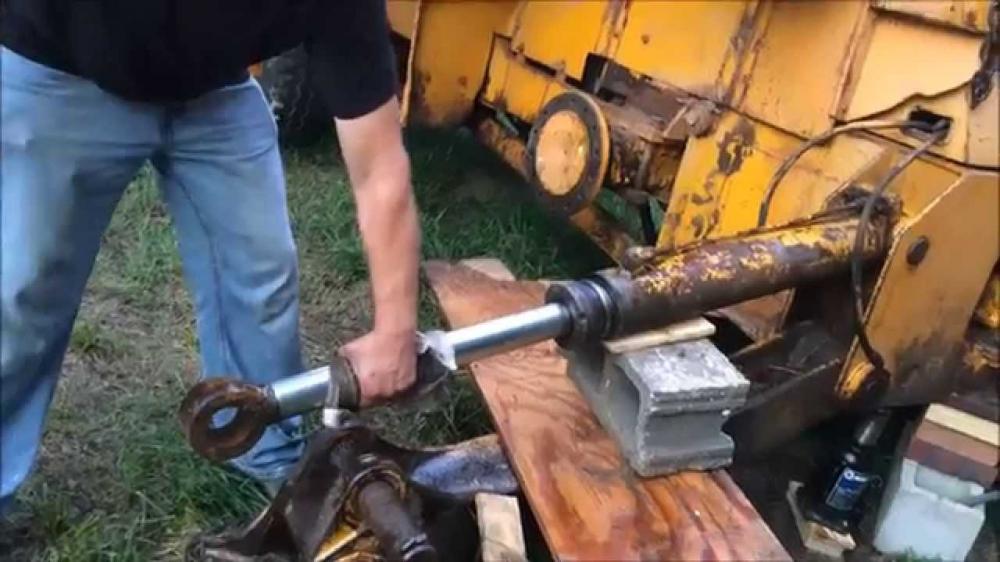
Step 1: Gather the Necessary Tools and Materials
Collect the essential tools, including wrenches, pliers, a seal removal tool, a cylinder hone, and a cylinder rebuild kit.
Ensure you have the appropriate replacement seals, O-rings, and other components specific to your tractor's hydraulic cylinder.
Step 2: Remove the Hydraulic Cylinder
Identify the hydraulic cylinder requiring rebuilding and disconnect any hydraulic lines or fittings attached to it.
Use wrenches or sockets to remove the mounting bolts or pins securing the cylinder to the tractor.
Step 3: Disassemble the Cylinder
Carefully remove the end cap or gland nut using appropriate tools, exposing the internal components of the cylinder.
Note the order and orientation of the seals, rods, and other parts as you disassemble the cylinder.
Step 4: Inspect and Clean the Components
Thoroughly inspect the cylinder barrel, piston, rods, and seals for signs of wear, damage, or leakage.
Clean all components using a suitable solvent or cleaner to remove dirt, debris, or hydraulic fluid residue.
Step 5: Replace the Seals and O-rings
Utilize a seal removal tool to remove the old seals and O-rings, ensuring careful handling to avoid scratching or damaging the cylinder bore.
Install the new seals and O-rings from the cylinder rebuild kit, ensuring proper orientation and alignment.
Step 6: Hone the Cylinder
Use a cylinder hone to smooth out any imperfections or pitting on the cylinder bore.
Follow the provided instructions for the hone, taking care not to oversize the cylinder bore.
Step 7: Reassemble the Cylinder
Reinstall the piston, rods, and other components in the correct order and orientation.
Apply a thin coat of hydraulic oil or grease to the seals and O-rings to facilitate proper sealing.
Step 8: Reattach the Hydraulic Cylinder to the Tractor
Align the cylinder with the mounting points on the tractor and secure it using the appropriate bolts or pins.
Reconnect the hydraulic lines or fittings to the cylinder, ensuring tight connections.
Step 9: Test and Verify Operation
Gradually pressurize the hydraulic system and check for any signs of leakage or abnormal operation.
Operate the tractor's hydraulic functions to verify the performance of the rebuilt cylinder.
Conclusion:
Rebuilding a hydraulic cylinder on a tractor is a valuable skill that restores the efficiency and functionality of the hydraulic system. By following this comprehensive step-by-step guide and utilizing the necessary tools and components, you can successfully rebuild a hydraulic cylinder on your tractor. Regular maintenance and inspection of hydraulic cylinders will ensure optimal performance and extend their lifespan.
To explore additional details on hydraulic products, click on Hydraulic Hose and Hydraulic Fittings.