Step 1: Gather the Necessary Tools and Materials
Prepare the required tools, including a wrench, pliers, and a catch basin to collect any spilled fluid.
Ensure you have the necessary replacement parts or components, such as new seals or fittings, if needed.
Step 2: Depressurize the Clutch System
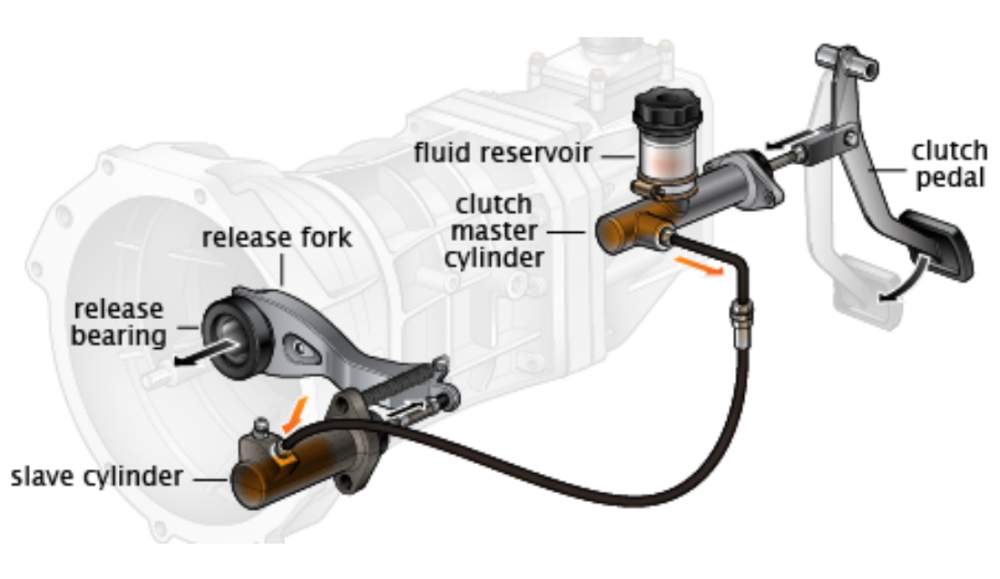
Locate the clutch master cylinder, typically positioned on the firewall near the brake master cylinder.
Identify the clutch system's pressure relief valve, usually found near the slave cylinder or on the transmission.
Safely depressurize the clutch system by activating the pressure relief valve or manually operating the clutch pedal to release any built-up pressure.
Step 3: Access the Master Cylinder and Clutch Line
Remove any covers or components obstructing access to the clutch master cylinder and clutch line.
Clear the area around the master cylinder to ensure sufficient working space.
Step 4: Loosen the Fittings
Identify the fittings securing the hydraulic clutch line to the master cylinder.
Use a wrench or pliers to carefully loosen the fittings, taking care not to damage the fittings or surrounding components.
Place the catch basin beneath the fittings to collect any fluid that may spill during the removal process.
Step 5: Remove the Clutch Line
Once the fittings are sufficiently loosened, gently pull the clutch line away from the master cylinder.
Pay attention to any seals or O-rings present and inspect them for wear or damage, replacing them if necessary.
Step 6: Inspect and Clean
Thoroughly inspect the master cylinder and clutch line for any signs of damage, wear, or contamination.
Clean the components, including the fittings and the master cylinder, using a suitable cleaner or solvent.
Step 7: Install the New Clutch Line (if applicable)
If you are replacing the clutch line, follow the manufacturer's instructions for installing the new line.
Ensure the fittings are securely tightened without over-tightening, which can lead to damage or leakage.
Step 8: Bleed the Clutch System (if applicable)
If you have replaced the clutch line or if air has entered the system, follow the proper procedures to bleed the clutch system.
Bleeding the system removes air and ensures proper clutch operation.
Conclusion:
Removing the hydraulic clutch line from the master cylinder is a crucial step in maintaining or repairing the clutch system. By following this comprehensive step-by-step guide and using the necessary tools and precautions, you can effectively remove the hydraulic clutch line without causing damage to the master cylinder or other components. Proper removal allows for a smooth maintenance or repair process and ensures the optimal performance of your clutch system.
If you would like to learn more about our products, please click on Hydraulic Hose, Hydraulic Fittings and Hydraulic Adapter.